

How to Secure Your Online Banking on Public Wi-Fi in Spain
Public Wi-Fi and Online Banking Are a Dangerous Combination — Unless You're Smart About It
Using public Wi-Fi for online banking in Spain is genuinely risky, but it doesn't have to be a disaster if you take the right precautions. Most people don't. Most people log into their Banco Sabadell or CaixaBank account from a Mercadona café Wi-Fi without a second thought — and that's exactly what criminals on the same network are counting on.
Here's the blunt truth: public Wi-Fi networks are not encrypted by default. Anyone with a €30 USB adapter and a free tool downloaded from YouTube can sit two tables away and read your unprotected traffic. Spain's coastal towns — Torrevieja, Orihuela Costa, Alicante — are packed with tourists, expats, and seasonal workers who do their banking on terraza Wi-Fi every single day. That's a feeding ground.
A VPN Is Non-Negotiable — Full Stop
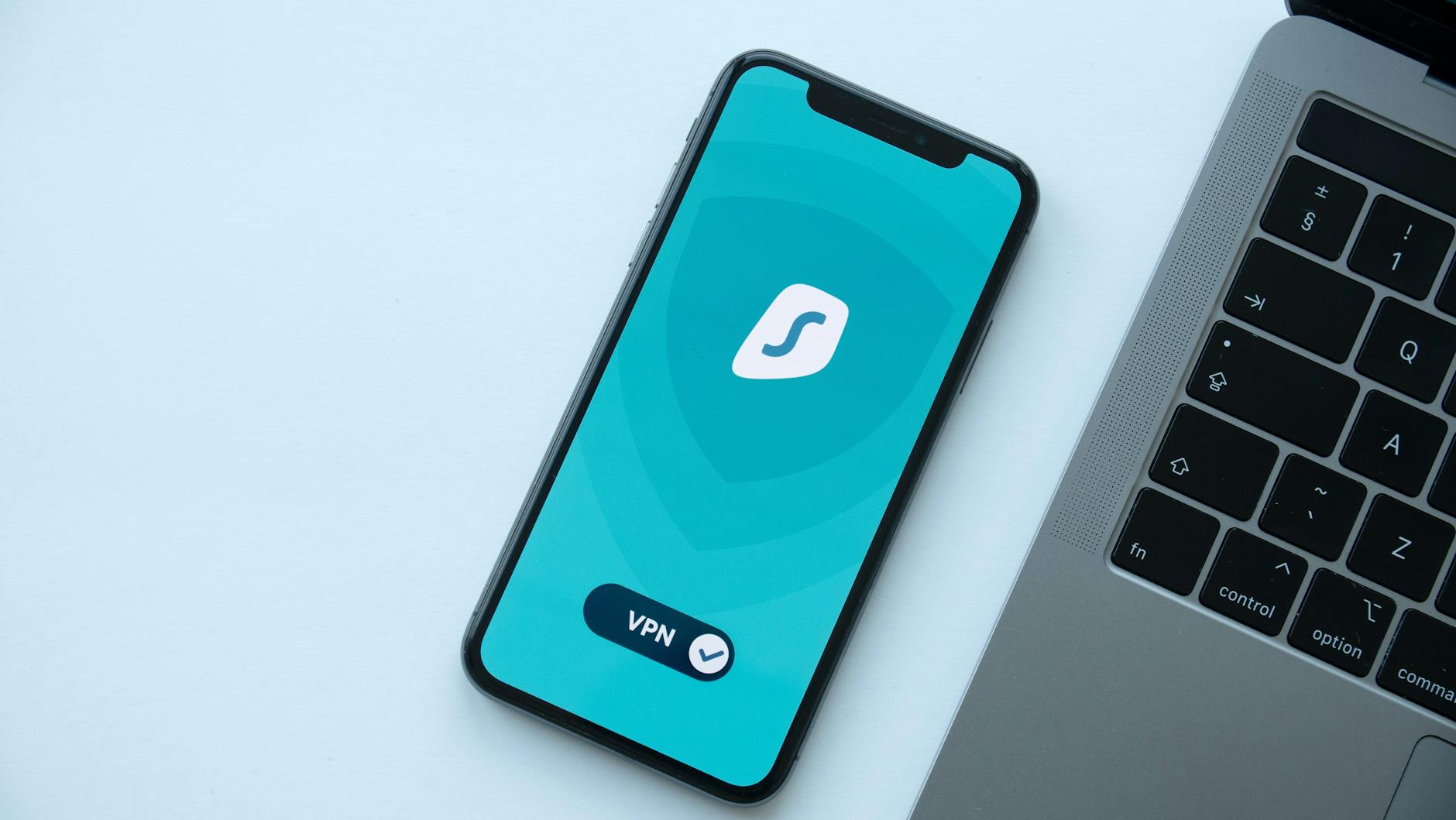
A Virtual Private Network (VPN) creates an encrypted tunnel between your device and the internet. Even if someone intercepts your traffic on a café's Wi-Fi, they see nothing but scrambled noise. Without one, your session tokens, passwords, and account details travel in a form that can be captured and replayed.
Not all VPNs are equal. Here's what actually matters when picking one for banking:
- No-logs policy, independently audited — if they log your data, you've just added another entity that can leak it. Mullvad and ProtonVPN have passed audits. Many free VPNs sell your data wholesale.
- Kill switch enabled — if the VPN drops for a split second, your banking session should die too, not silently revert to the open network.
- Strong encryption protocol — WireGuard or OpenVPN. Avoid anything marketing "military-grade" without telling you the actual cipher. That phrase means nothing.
- Spanish server available — some banks flag foreign IP addresses and block logins. Connect to a Spanish VPN server to avoid triggering fraud alerts.
Cost? A reliable VPN runs €3–7 per month. That's less than the coffee you're drinking when you get robbed. Free VPNs are the product — you are. Don't use them for anything sensitive.
Your Phone Is Leaking More Than You Think
Most people assume their smartphone is safer than a laptop on public Wi-Fi. It isn't — it's often worse. Phones are configured to automatically reconnect to networks with familiar names. Attackers exploit this with what's called an Evil Twin attack: they set up a hotspot named "Starbucks_WiFi" or "AireBcn_Free" and your phone connects automatically, without asking permission.
Once you're on their network — not the real one — they sit between you and your bank. Every keystroke. Every response from the server. All of it.
Three things to fix right now:
- Disable auto-connect on your phone. Go into Wi-Fi settings and turn off "connect automatically" or "auto-join" for every saved public network. Do this today, not when it's convenient.
- Turn off Wi-Fi entirely when not using it. Your phone probes for saved networks constantly while Wi-Fi is on. Even if you're not connected, you're broadcasting a list of every network you've ever used. That's intelligence attackers use.
- Use your mobile data for banking. 4G and 5G connections from Movistar, Orange, or Vodafone España are encrypted at the carrier level. A café's broadband is not. If you have data available, use it. Banking doesn't use much.
The "friend who's good with computers" will tell you HTTPS is enough protection. It isn't — not against a well-executed man-in-the-middle attack that strips SSL before it reaches your browser. Don't rely on the padlock alone.

Two-Factor Authentication Won't Save You If You're Already Compromised
Banks push two-factor authentication (2FA) as the silver bullet. It isn't. It's a crucial extra layer — yes — but if you're on a compromised network, an attacker can execute a real-time relay attack: they forward your login credentials to the real bank site instantly, trigger the 2FA prompt, intercept the OTP you enter, and use it before it expires. The whole exchange takes seconds.
That said — 2FA is still vastly better than nothing. A stolen password without the second factor is useless in most cases. Use it. Just don't use it as an excuse to skip the VPN and network hygiene. Layers of security stack. Remove one layer and the others get thinner.
The strongest 2FA options, ranked:
- Hardware key (YubiKey) — phishing-resistant, can't be relayed remotely. Most consumer banks in Spain don't support this yet, but check.
- Authenticator app (Google Authenticator, Authy) — much better than SMS. Time-based codes generated on device.
- SMS OTP — better than nothing, vulnerable to SIM-swap attacks. Standard in most Spanish banks. Use it, but know its limits.
The Counter-Argument: "Banks Detect Fraud Anyway"
Fair point. Spanish banks like BBVA and Santander have invested heavily in real-time fraud detection. Unusual logins, foreign IPs, atypical transaction patterns — these trigger automatic holds and alerts. Many victims of bank fraud in Spain do get their money back.
But here's the honest answer to that argument: the reimbursement process can take weeks or months, during which your account may be frozen. You might miss rent, miss payroll, miss a mortgage payment. The Spanish banking ombudsman (Servicio de Reclamaciones del Banco de España) is not known for its speed. And if the bank determines you were negligent — using public Wi-Fi without protection, for instance — they can and do deny liability under EU PSD2 regulations.
Don't gamble on the safety net. It has holes.
The Bottom Line: Assume Every Public Network Is Hostile
Yes, banks have fraud teams. Yes, HTTPS encrypts most of your traffic. Yes, 2FA adds friction for attackers. None of that makes you bulletproof on public Wi-Fi — it just makes you a slightly harder target. Attackers don't need to beat every defence; they just need one gap.
The qualified position: use a paid VPN, disable auto-connect, use mobile data when possible, and treat every public hotspot in Spain as if a professional thief set it up five minutes ago — because sometimes, one did.
We see the aftermath of compromised accounts at Campoverde Repair more often than we'd like. Stolen credentials, ransacked savings apps, remote access tools installed by the attacker to persist beyond the session. It's not theoretical. If you need help locking down your device, checking it for malware, or setting up a reliable VPN — come see us. We're in Campoverde, we speak your language, and we don't charge chain-store prices.
Key Takeaways
- Public Wi-Fi is unencrypted by default — anyone on the same network can intercept your banking traffic without specialist skills.
- A paid VPN (Mullvad, ProtonVPN) with a kill switch is the single most effective protection for banking on public networks — budget €3–7/month.
- Evil Twin attacks target smartphones — disable auto-connect on all public networks and use 4G/5G mobile data for banking wherever possible.
- Two-factor authentication is essential but not sufficient — real-time relay attacks can bypass SMS OTPs on compromised networks.
- Spanish banks may deny fraud reimbursement if you're found to have been negligent — security hygiene is your legal protection too, not just a technical one.
Frequently asked questions
Is it safe to do online banking on public Wi-Fi in Spain?
No — public Wi-Fi in Spain is unencrypted by default, meaning anyone on the same network can potentially intercept your banking traffic. The risk is real and well-documented. Always use a VPN or your mobile data connection instead.
What VPN should I use for online banking in Spain?
Mullvad and ProtonVPN are both independently audited, have strict no-logs policies, and offer Spanish servers — important because some Spanish banks block foreign IP addresses. Expect to pay €3–7 per month; free VPNs are not safe for sensitive banking activity.
Can two-factor authentication (2FA) protect me on public Wi-Fi?
2FA significantly reduces risk but is not fully protective on public Wi-Fi. Sophisticated real-time relay attacks can intercept and reuse SMS one-time passwords within seconds. Use 2FA, but combine it with a VPN and avoid public networks for banking when possible.
What is an Evil Twin Wi-Fi attack and how does it affect me in Spain?
An Evil Twin attack is when a criminal sets up a fake Wi-Fi hotspot with the same name as a legitimate one — for example, a café network — and your phone connects to it automatically. Once connected, the attacker can intercept all your internet traffic, including banking sessions. Disabling auto-connect on your phone prevents this.
Will my Spanish bank refund me if I'm hacked on public Wi-Fi?
Spanish banks have fraud teams and many victims do recover funds, but the process can take weeks and the bank may deny liability if they determine you were negligent — such as using unsecured public Wi-Fi without protection. EU PSD2 regulations allow banks to reject claims where customer negligence is established.
Computer trouble on the Costa Blanca?
30+ years of repair experience — on-site within 30 km and remote worldwide. Tell me what's wrong and I'll sort it.
Get help now →Photos via Pexels